Aesthetic surgery
Liposuction
It reshapes areas that do not respond to diet and exercise in people already near their stable weight — which is a much narrower thing than most people expect.
What this treatment involves
Liposuction removes fat through a thin cannula inserted via small incisions, targeting deposits that resist diet and exercise — flanks, abdomen, thighs, upper arms, under the chin.
The important thing to understand is what it is not. It is not weight-loss surgery. The amount of fat that can be removed safely in one session is limited, and removing more does not make it safer or more effective — it makes it considerably more dangerous. Someone hoping to lose a significant amount of weight is being offered the wrong procedure.
It also does not tighten skin. Fat is removed from underneath; whether the skin above it contracts depends on its elasticity, your age and how much was removed. Where skin is already loose, liposuction alone can make it look worse rather than better, and a skin-removing operation may be the honest answer instead.
Who may be suitable
Suited to people at or near a stable weight, with firm skin elasticity, who have localised deposits disproportionate to the rest of their body.
It is not appropriate as an alternative to weight loss, and it is not a treatment for obesity — for that, bariatric surgery and medical management are the relevant paths. A surgeon who offers liposuction to someone seeking substantial weight loss is answering a question the patient did not actually ask.
Significant skin laxity, particularly after pregnancy or major weight loss, usually means a skin-removing procedure would give a better result. Cellulite is not improved by liposuction and may become more visible.
Smoking, uncontrolled diabetes, clotting disorders and certain medications all raise the risk. Suitability is a clinical judgement made after examining you.
Why patients choose it
For localised, diet-resistant deposits in someone at a stable weight, it changes contour in a way that no amount of training will — fat distribution is largely genetic, and some deposits simply do not respond.
Removed fat cells do not return. That said, the remaining cells elsewhere can still enlarge if you gain weight, so the result depends on weight remaining stable.
Scars are small and usually well hidden in natural creases.
How treatment works

Consultation and examination
Day 1
Fat distribution and — critically — skin elasticity are assessed, since the latter determines whether liposuction alone will give a good result.
Planning
Day 1–2
Areas and safe volume agreed. Where skin laxity is significant, a skin-removing procedure may be recommended instead.
Pre-operative tests
Day 2
Blood tests, ECG and anaesthetic review as indicated.
Surgery
Day 3, 1–3 hours
Fat is infiltrated with fluid, then removed through a cannula via small incisions. Duration depends on the areas treated.
Compression and review
Day 4–7
A compression garment is fitted and worn continuously at first. Review before clearance to fly.
Settling
3–6 months
Swelling resolves over months, with the contour refining up to around six months.
What happens in Istanbul
Aesthetic surgery requires a stay of seven to ten days. Consultation, examination and pre-operative tests happen over the first day or two, followed by the procedure and one or two nights in hospital. You then remain in Istanbul for review, and for removal of any splint, sutures or drains before flying. Departure is confirmed by the surgical team rather than by your booking — flying too soon after surgery carries a raised risk of blood clots and swelling.
Recovery
A compression garment is worn for four to six weeks, day and night at first. This is not optional — it controls swelling and materially affects how smoothly the skin settles.
Bruising and swelling are substantial for the first two weeks and continue to resolve for months. Fluid leakage from the incisions in the first days is normal. Discomfort is described more as deep soreness than sharp pain.
Most people return to desk work in one to two weeks and to exercise at four to six. The contour continues to refine for three to six months, and final results are judged at around six months, once swelling has fully resolved.
Typical recovery
Bruising and swelling are substantial. Fluid leakage from the incisions in the first days is normal.
Most people return to desk work.
A compression garment, day and night at first. Not optional — it affects how smoothly the skin settles.
Return to exercise.
The contour refines for three to six months; results are judged once swelling has fully resolved.
A usual course, not a schedule you have been given. Recovery varies considerably between people, and the full recovery information above is what your own plan is based on.
Risks and considerations
General or regional anaesthetic carries its own risks. Bleeding, infection, seroma — fluid collecting under the skin — and prolonged swelling are all recognised.
Contour irregularity is the most common aesthetic complication: dents, ridges, asymmetry or waviness, which can be permanent and are difficult to correct. Loose skin after fat removal is common where elasticity was already reduced.
Numbness in the treated area is usual for weeks to months and occasionally persists. Pigmentation changes and visible scarring at incision sites can occur.
The serious risks are rare but grave: blood clots in the legs or lungs, fat embolism, perforation of an internal organ by the cannula, and fluid or electrolyte imbalance. Risk rises sharply with the volume removed and with combining multiple areas or multiple procedures in one session — which is exactly what "package" offers tend to encourage. Deaths have occurred, most often in high-volume or combined operations.
This is why the safe volume limit matters more than the appeal of doing everything at once, and why a surgeon proposing a second session is often the one taking your safety seriously.
This information is general and educational. Whether a procedure is appropriate for you can only be determined by a qualified medical professional after an individual assessment, including your medical history and an examination.
Common questions
Can I use liposuction to lose weight?
No. It removes localised deposits from people already near a stable weight, and the volume that can be taken safely in one session is limited. If your goal is significant weight loss, liposuction is the wrong procedure — and a clinic that agrees to it anyway is not acting in your interest.
Will my skin tighten afterwards?
It depends on your skin's elasticity, which is assessed at consultation. Younger, firmer skin retracts reasonably well. Skin already loosened by age, pregnancy or major weight loss often does not, and removing the fat underneath can make it look worse. Where that is the case, a skin-removing operation is the more honest recommendation.
Can I have several areas done at once?
Sometimes, but risk rises sharply with total volume removed and with combining procedures in one session — that is where the serious complications, including deaths, have concentrated. A surgeon who recommends splitting treatment across two sessions is usually the one prioritising your safety over the appeal of a single package.
Further reading
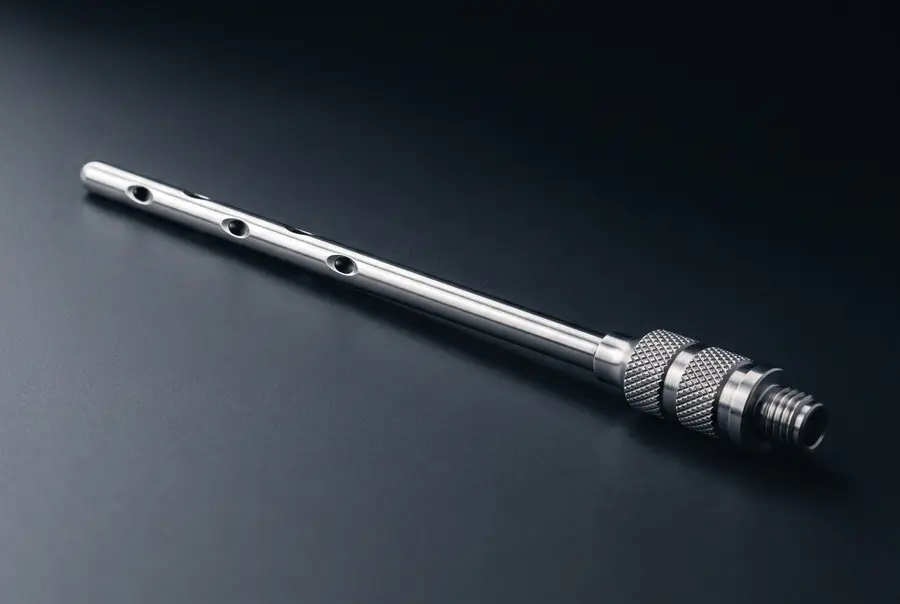
Liposuction or a tummy tuck: which problem do you actually have?
One removes fat. The other removes skin and repairs the muscle wall. They solve different problems and choosing the wrong one produces a technically successful operation that disappoints.
Intimate surgery: the questions to ask first
Labiaplasty, vaginoplasty and penile enhancement are three different operations with one thing in common: the most important conversation happens before anyone discusses technique.
Abdominal etching: who it suits, and who it does not
It sculpts shadows over muscle that is already there. It does not build muscle, and on the wrong patient — or after later weight gain — the lines can look drawn on.


You may also consider
Gastric sleeve
Removal of roughly three-quarters of the stomach, leaving a narrow tube. Permanent and not reversible.
Tummy tuck
Removal of excess abdominal skin and fat, usually with repair of separated abdominal muscles.
Abdominal etching
High-definition liposuction that sculpts the fat layer to reveal the abdominal muscles beneath.
Let's plan your treatment
Send us your details and a treatment coordinator will guide you through the next step.