
Bariatric surgery
Gastric bypass
More complex than a sleeve, with a stronger effect on reflux and type 2 diabetes — and a greater lifelong nutritional commitment.
What this treatment involves
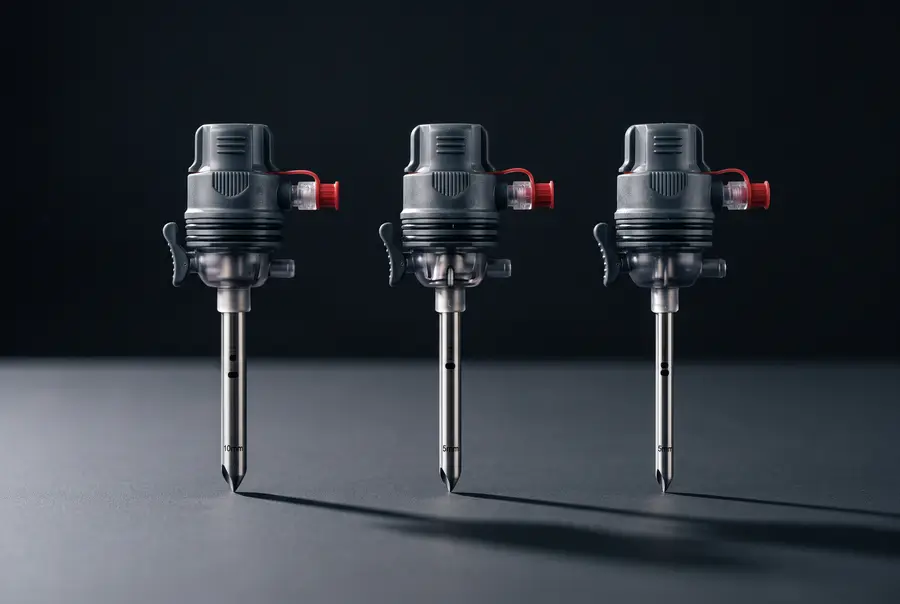
Roux-en-Y gastric bypass creates a small pouch at the top of the stomach and connects it directly to the small intestine, bypassing the rest of the stomach and the first section of intestine. It is performed laparoscopically.
Three things change. The pouch holds very little. A length of intestine is bypassed, so fewer calories and nutrients are absorbed. And rerouting food alters gut hormone signalling in a way that affects blood sugar quickly — often before significant weight has been lost, which is why bypass is frequently the preferred option where type 2 diabetes is present.
The bypassed stomach is not removed, but it can no longer be reached by a standard endoscope. That matters for anyone who needs regular monitoring of that part of the stomach.
Who may be suitable
The same general thresholds apply as for a sleeve, and the same principle: they open a conversation rather than settle it.
Bypass is often preferred where there is significant reflux, since it usually improves it, and where type 2 diabetes is present. It may also be considered after a sleeve that has not achieved what was hoped, or that has caused severe reflux.
It may be less suitable for people who cannot commit to lifelong supplementation and monitoring, who have certain inflammatory bowel conditions, or who take medications whose absorption would become unpredictable.
As with any bariatric procedure, only a qualified surgeon can determine whether this is appropriate for you, after reviewing your history and examining you.
Why patients choose it
It generally improves reflux rather than worsening it, which is the main reason it is chosen over a sleeve for people who already have it.
The effect on type 2 diabetes is well documented and often begins within days, driven by hormonal changes rather than weight loss alone.
The combination of restricted volume and reduced absorption tends to produce more weight loss on average than a sleeve — though averages describe populations, not individuals, and the difference is smaller than often implied.
How treatment works

Assessment before you travel
Before departure
History, medication, measurements and obesity-related conditions reviewed by the surgical team, including whether bypass or sleeve is more appropriate for you.
Pre-operative tests in Istanbul
Day 1–2
Blood tests, ECG, imaging and endoscopy as indicated, plus surgeon, anaesthetist and dietitian consultations.
Surgery
Day 2–3
Performed laparoscopically under general anaesthetic, usually taking two to three hours.
Hospital stay
2–3 nights
Two to three nights with early mobilisation and checks before discharge.
Recovery in Istanbul
3–5 days
Surgical review and dietary guidance, with clearance to fly given by the surgeon.
Lifelong follow-up
Ongoing
Supplementation and blood monitoring continue indefinitely. After a bypass this is mandatory rather than advisable.
The route food takes afterwards
1. The stomach
Before the operation, food passes through the whole stomach and on into the small intestine in the normal order.
2. The pouch
A small pouch is formed at the top. The rest of the stomach is not removed — it stays where it is.
3. The connection
The pouch is joined directly to the small intestine. Everything drawn pale is still present, and no longer on the route.
A schematic diagram, not an anatomical drawing. It shows how the parts fit together and in what order; it is not to scale and does not represent any individual anatomy. Your own treatment is planned from your scan.
What happens in Istanbul
Weight-loss surgery requires a longer stay than most treatments — usually seven to ten days in Istanbul. Pre-operative tests and consultations with the surgeon, anaesthetist and dietitian happen over the first day or two. You spend two to three nights in hospital after the operation, then remain nearby for review before flying. Flying too early after abdominal surgery carries a raised risk of blood clots, so departure is confirmed by the surgical team rather than by a booking.
Recovery
Two to three nights in hospital, with early mobilisation. The staged diet is the same as for a sleeve — liquids, purée, soft, then normal textures over four to six weeks under dietetic supervision.
Dumping syndrome is more common after bypass: eating sugar or fat quickly can cause cramping, nausea, sweating, palpitations and diarrhoea within half an hour. It is unpleasant rather than dangerous, and manageable by adjusting what and how you eat, but it takes time to learn.
Most people return to desk work in two to four weeks and full activity around six weeks.
Typical recovery
In hospital, with early mobilisation.
Liquids, purée, soft, then normal textures under dietetic supervision.
Sugar or fat eaten quickly can cause cramping and nausea within half an hour.
Most people return to desk work.
Full activity resumes.
A usual course, not a schedule you have been given. Recovery varies considerably between people, and the full recovery information above is what your own plan is based on.
Risks and considerations
Major abdominal surgery under general anaesthetic, with a small but genuine risk of death and a slightly higher complication rate than a sleeve because more joins are created.
Leaks at either join, bleeding, infection and blood clots are recognised. Internal hernia is a specific long-term risk of the rearranged anatomy: bowel can twist through a gap created during surgery, sometimes years later, and it is a surgical emergency. Persistent abdominal pain after a bypass should always be assessed rather than waited out.
Marginal ulcers can form at the join, and smoking and anti-inflammatory painkillers such as ibuprofen substantially increase that risk — both usually need to be avoided permanently.
Nutritional deficiency is more likely and more serious than after a sleeve, because absorption is deliberately reduced. Lifelong supplementation and blood monitoring are mandatory, not advisable. The bypassed stomach cannot be examined by standard endoscopy afterwards. Weight regain, gallstones, hair thinning and loose skin all apply as with any substantial weight loss.
This information is general and educational. Whether a procedure is appropriate for you can only be determined by a qualified medical professional after an individual assessment, including your medical history and an examination.
Common questions
Should I have a sleeve or a bypass?
That is a clinical decision, and it depends mainly on whether you have reflux and whether you have type 2 diabetes. Bypass usually improves reflux; a sleeve can cause or worsen it. Bypass has stronger and faster effects on diabetes. A sleeve is simpler surgery with a lighter nutritional burden. Your surgeon should explain which applies to you and why — and be willing to recommend the less profitable option if it is the right one.
Are there medications I will have to avoid?
Yes. Anti-inflammatory painkillers such as ibuprofen, naproxen and aspirin substantially raise the risk of ulcers at the join, and are usually avoided permanently after a bypass. Smoking does the same. Tell your surgeon about every medication you take, including anything bought without prescription.
What if I get abdominal pain years later?
Get it assessed, and mention that you have had a bypass. Internal hernia can occur long after surgery and is a surgical emergency — bowel twisting through a gap created when the anatomy was rearranged. It is uncommon, but waiting it out is the wrong response.
Further reading

Am I a candidate for weight-loss surgery?
There are established criteria, they are about more than a number, and the assessment before the operation is a larger part of the treatment than most people expect.
Sleeve or bypass: how the decision is actually made
These are two different operations that solve overlapping problems. Reflux, diabetes, previous surgery and what you are prepared to commit to afterwards all move the answer.


Let's plan your treatment
Send us your details and a treatment coordinator will guide you through the next step.