
Dental
Teeth whitening
The least invasive way to change how teeth look — no enamel is removed, and nothing about it is permanent.
What this treatment involves
Whitening uses a hydrogen- or carbamide-peroxide gel that breaks down the stain molecules held within enamel and dentine. Nothing is added to or taken from the tooth.
In-clinic treatment uses a stronger gel applied by a clinician with the gums protected, in one or two appointments. Home whitening uses custom-made trays and a milder gel over a couple of weeks. The two are often combined.
Who may be suitable
Whitening suits natural teeth that have darkened with age or been stained by coffee, tea, red wine or tobacco.
It does not lighten crowns, veneers, bridges or fillings — those keep their original shade, which can leave them looking darker or lighter than the surrounding teeth afterwards. If you have restorations on front teeth, that mismatch is worth planning for before starting. Decay and gum disease are treated first, and whitening is generally not offered during pregnancy.
Why patients choose it
Whitening removes no tooth structure, which makes it the most conservative cosmetic dental option and one of the few that is genuinely reversible by simply letting it fade.
It is often worth doing before deciding on veneers or crowns: if whitening achieves what you wanted, nothing irreversible has been done, and if it does not, the shade it reaches informs what the restorations should match.
How treatment works

Examination
Day 1
The cause of discolouration is identified, and any decay or gum disease is treated first. Existing restorations on front teeth are discussed, since these will not lighten.
Shade recorded
Day 1
The starting shade is recorded so the change can be measured rather than guessed at.
In-clinic whitening
60–90 minutes
Gums are isolated and the gel is applied in cycles under supervision.
Home maintenance
Custom trays and a milder gel are provided where appropriate, along with guidance on avoiding staining.
What happens in Istanbul
Most dental treatments are completed across two visits to the clinic within a single trip, typically five to seven days apart. Your coordinator confirms the schedule before you travel so you know how many appointments to expect and how much free time you will have between them. Airport transfers and accommodation arrangements are confirmed in writing before departure.
Recovery
There is no recovery period and you can return to normal activity immediately.
Sensitivity to cold during and for a day or two after treatment is the most common effect, and usually resolves without intervention. For 48 hours the teeth are more porous, so strongly coloured food and drink — coffee, red wine, curry — are best avoided during that window.
Risks and considerations
Tooth sensitivity and gum irritation are common and usually temporary. Sensitivity can be more pronounced where there is existing gum recession or exposed root surface.
Results vary with the cause of the discolouration and are not permanent — teeth re-darken over months to years, faster if you smoke or drink coffee, tea or red wine. Whitening cannot lighten a shade that comes from within the tooth after root canal treatment or from certain medications; those need a different approach.
Over-use of whitening products can damage enamel, which is why this is done under supervision rather than repeated at will.
This information is general and educational. Whether a procedure is appropriate for you can only be determined by a qualified medical professional after an individual assessment, including your medical history and an examination.
Systems used for this procedure
The manufacturers whose systems are used here, so you can check them yourself rather than take our word for it.
IPS e.max
A lithium disilicate glass-ceramic made by Ivoclar Vivadent, used for veneers, inlays and single crowns.
Naming a manufacturer is not a claim that one system produces a better result than another. Outcomes depend far more on planning, on the surgery itself and on how you heal than on whose system is used. Ask for the make, model and reference number of anything implanted, in writing, before you travel home.
Common questions
Will whitening lighten my crowns or veneers?
No. Ceramic and composite do not respond to whitening gel — they keep the shade they were made in. If you have restorations on visible teeth, whitening the natural teeth around them can create a mismatch, which sometimes means replacing those restorations afterwards to match.
How long do the results last?
Months to a few years, depending mostly on what you eat, drink and whether you smoke. It is not permanent — teeth gradually re-darken, and occasional top-up treatment at home is the usual way to maintain the shade.
Is whitening safe for enamel?
Carried out under supervision at appropriate concentrations, whitening does not remove enamel. The risks come from over-use and from unsupervised products of unknown strength, which is why treatment is assessed and monitored rather than simply sold.
Further reading
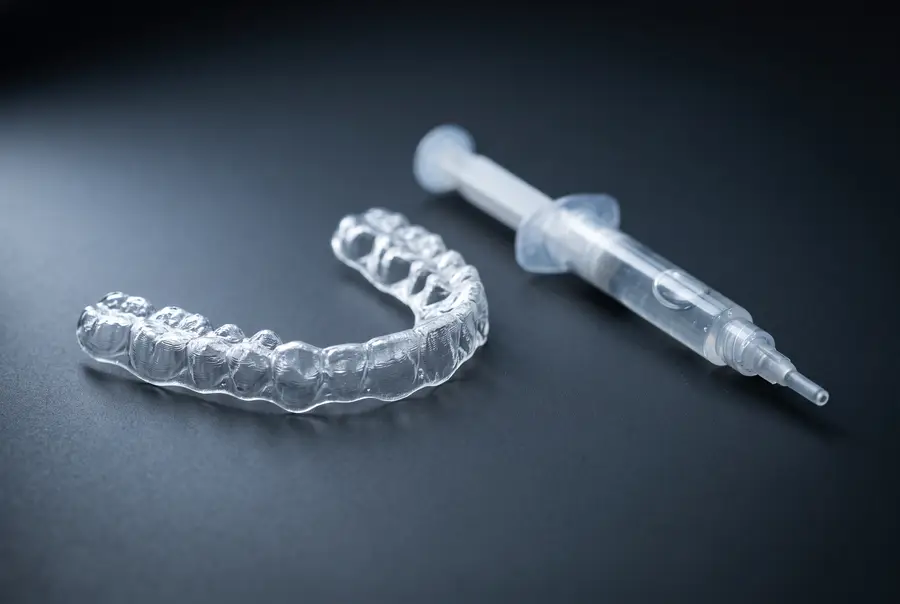
Teeth whitening: what works, and what it cannot do
Whitening changes the colour of natural tooth structure. It does nothing to a crown, a veneer or a filling — which is why the order of treatment matters more than the product.
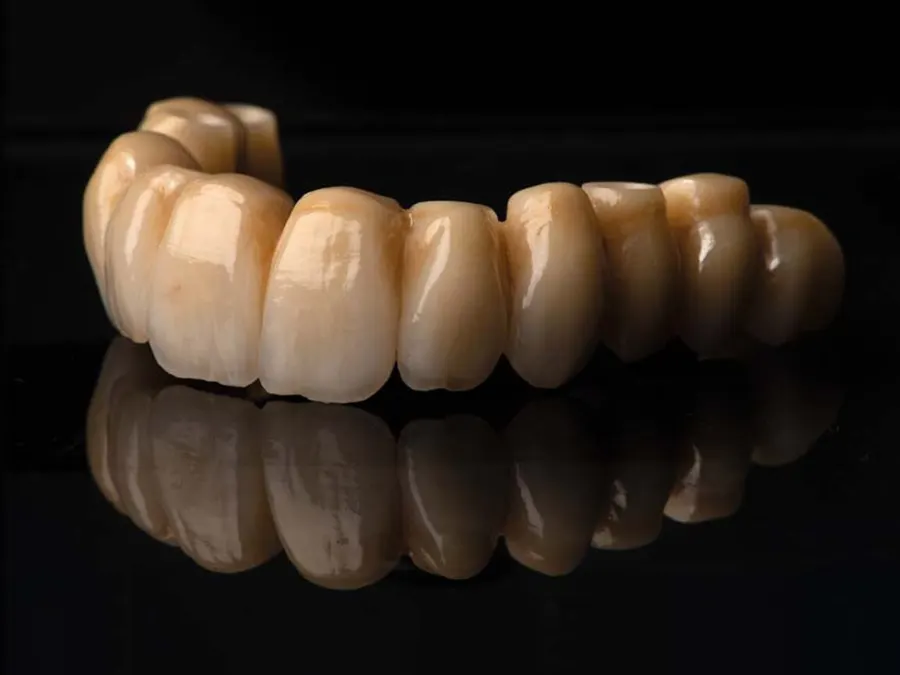
All-on-4: a full arch of teeth on four implants
Four implants, two of them angled, carrying a fixed bridge. The angling is the whole idea — it reaches solid bone without a graft, and it is why the technique exists.
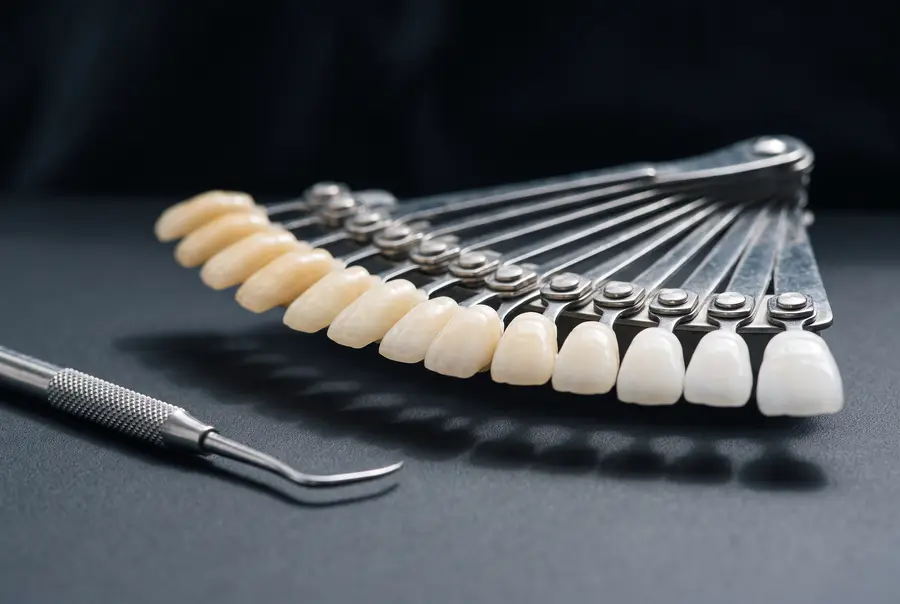
What a "Hollywood smile" actually is
It is a marketing phrase, not a procedure. Underneath it sits anything from whitening to twenty crowns, and the difference between those matters more than any photograph.


Let's plan your treatment
Send us your details and a treatment coordinator will guide you through the next step.