
Aesthetic surgery
Gynaecomastia surgery
The first question is not how to remove it but why it is there — because some causes are treated with medicine, and one needs excluding before any operation.
What this treatment involves
Gynaecomastia is enlargement of the male breast. It can be true gynaecomastia, in which glandular tissue has developed under the nipple, or pseudogynaecomastia, in which the enlargement is fat alone. Most cases are a mixture, and which predominates determines the operation.
Where the problem is mainly fat, liposuction alone may be enough. Where firm glandular tissue is present, it must be excised — liposuction does not remove gland — usually through a small incision at the lower border of the areola. Where there is significant excess skin, most often after large weight loss, skin must be removed too, and that means a longer scar.
A cause is looked for before surgery is planned. Puberty-related gynaecomastia frequently resolves on its own within a couple of years. Other cases are related to medication, anabolic steroid use, alcohol, liver or kidney disease, thyroid disease, or hormonal conditions. Male breast cancer, though rare, is excluded — a hard, one-sided lump away from the nipple, skin change or nipple discharge are investigated rather than operated on.
Who may be suitable
Considered for adult men with persistent breast enlargement that has been stable for at least a year, at a stable weight, after any treatable cause has been identified and addressed.
An examination and, where indicated, blood tests and imaging come first. Operating without establishing a cause risks treating the visible problem and leaving the underlying one — and in the case of ongoing anabolic steroid use, the gland typically re-forms.
Adolescents are usually advised to wait, because gynaecomastia at puberty commonly resolves without treatment. Where it persists beyond the late teens and causes significant distress, surgery is considered.
Why patients choose it
The chest contour is flattened and the gland removed permanently — glandular tissue that has been excised does not grow back, provided the cause has been addressed.
The scar at the areolar border is usually short and inconspicuous once healed, in cases that do not require skin removal.
The reported effect is disproportionate to the size of the operation: this is a condition that leads men to avoid swimming, avoid changing rooms and wear layers in summer, and those are the changes patients describe afterwards.
How treatment works

Consultation and investigation
Day 1
Examination distinguishes gland from fat and looks for a cause. Blood tests or imaging are arranged where indicated, and any suspicious finding is investigated before surgery is considered.
Planning
Day 1–2
Whether liposuction, gland excision, or both are needed — and whether skin removal is required — is decided and the incisions marked.
Pre-operative tests
Day 2
Blood tests, ECG and anaesthetic review as indicated.
Surgery
Day 3
Generally one to two hours, under general anaesthetic or sedation with local anaesthetic depending on extent. Excised gland is sent for pathological examination.
Review and compression
Day 4–7
Dressings checked, drains removed if used, and the compression vest fitted and explained.
Compression period
4–6 weeks
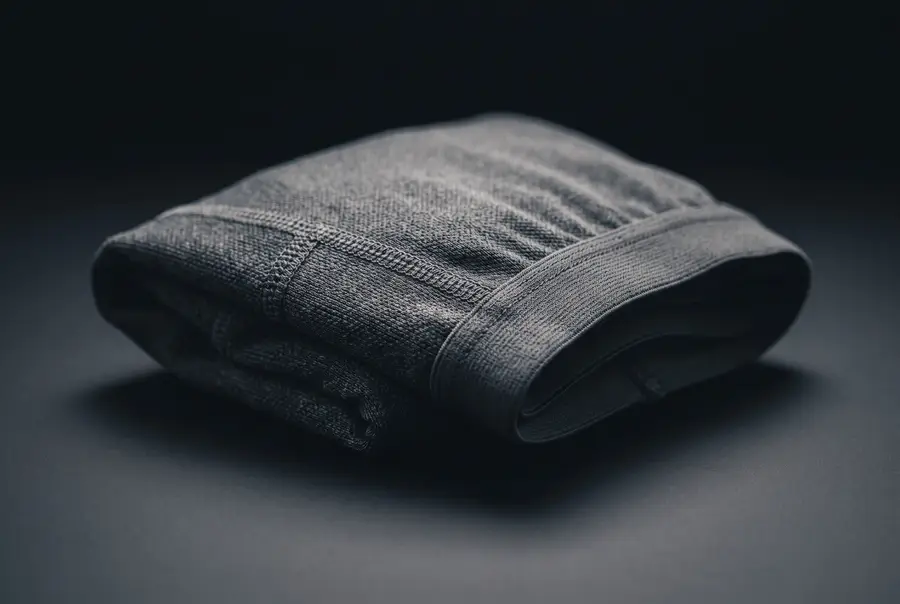
The vest is worn continuously. This is the part of the recovery that most affects the final contour.
Settling
3–12 months
Contour is apparent by about three months; scars fade over a year.
What happens in Istanbul
Breast surgery requires a stay of seven to ten days. Consultation, examination and pre-operative tests take the first day or two, followed by surgery and usually one night in hospital. You then remain in Istanbul for review, wound checks and removal of any drains before flying. Departure is confirmed by the surgical team rather than by your booking — flying too soon after surgery raises the risk of blood clots.
Recovery
A compression vest is worn continuously for four to six weeks. It is not optional — it controls swelling and helps the skin redrape onto the flattened chest, and skipping it is a common cause of a poor contour.
Bruising and swelling are marked for two to three weeks and can make the chest look uneven or as though tissue remains. That impression usually resolves as swelling settles.
Desk work resumes within a week. No chest exercise, heavy lifting or strenuous activity for four to six weeks. The final contour is apparent at about three months, and scars fade over a year.
Typical recovery
Desk work resumes.
Bruising and swelling can make the chest look uneven, as though tissue remains.
A compression vest is worn continuously. Skipping it is a common cause of a poor contour.
No chest exercise, heavy lifting or strenuous activity.
The final contour is apparent. Scars fade over a year.
A usual course, not a schedule you have been given. Recovery varies considerably between people, and the full recovery information above is what your own plan is based on.
Risks and considerations
Specific to this operation: over-resection under the nipple leaves a saucer-shaped hollow — the "crater deformity" — which is conspicuous and difficult to correct. Leaving too little tissue under the areola is a more common cause of dissatisfaction than leaving too much.
Haematoma and seroma are the commonest early complications and may require drainage. Infection is uncommon.
Changed or lost nipple sensation is frequent early and can be permanent. The nipple can be malpositioned, and its blood supply can be compromised, rarely leading to partial loss.
Asymmetry between the two sides is possible, as is contour irregularity from uneven liposuction. Loose skin may remain if the skin does not retract as hoped, sometimes requiring a second operation with a longer scar.
Gynaecomastia can recur where the underlying cause continues — most predictably with ongoing anabolic steroid use.
This information is general and educational. Whether a procedure is appropriate for you can only be determined by a qualified medical professional after an individual assessment, including your medical history and an examination.
Common questions
Can gynaecomastia come back after surgery?
Glandular tissue that has been excised does not regrow, so recurrence is uncommon when the underlying cause has been dealt with. It does recur when the cause continues — most predictably with ongoing anabolic steroid use, and also with certain medications, significant weight gain, or an untreated hormonal condition. This is the reason a cause is looked for before surgery rather than after it.
Further reading
Gynaecomastia: what it is, and when surgery is the answer
Some cases resolve on their own. Some are caused by a medication worth reviewing first. And some are not glandular tissue at all — which changes the operation entirely.

Intimate surgery: the questions to ask first
Labiaplasty, vaginoplasty and penile enhancement are three different operations with one thing in common: the most important conversation happens before anyone discusses technique.
Abdominal etching: who it suits, and who it does not
It sculpts shadows over muscle that is already there. It does not build muscle, and on the wrong patient — or after later weight gain — the lines can look drawn on.


Let's plan your treatment
Send us your details and a treatment coordinator will guide you through the next step.