
Dental
Zirconium crowns
A full-coverage restoration in a ceramic material chosen for its strength, used where a tooth is too damaged to be restored with a filling.
What this treatment involves
A crown covers the whole visible part of a tooth. Zirconia is a ceramic that is markedly stronger than earlier all-ceramic materials, which is why it is often used for back teeth where chewing forces are highest, as well as for front teeth.
The tooth is reduced to make room for the crown, an impression or digital scan is taken, and the crown is made to match the shade and shape agreed with you. Unlike a metal-fused crown, there is no metal substructure, so no grey line appears at the gum margin over time.
Who may be suitable
A crown may be considered where a tooth is extensively decayed, has fractured, has undergone root canal treatment, or where a large existing filling is failing.
Enough sound tooth structure must remain to support the crown. Where too little remains, a post or a rebuild may be needed first, and in some cases the tooth cannot be saved. Active gum disease is treated before crown work begins.
Why patients choose it
Zirconia crowns restore the shape and function of a damaged tooth and protect what remains of it from further fracture.
They are tooth-coloured throughout, so no dark margin develops at the gum line, and the material resists staining. Modern zirconia can be layered or shaded to match neighbouring teeth.
How treatment works

Examination and shade selection
Day 1
The tooth and surrounding gum are examined, X-rays are taken where needed, and the shade is chosen with you in natural light.
Preparation
Day 1
The tooth is shaped under local anaesthetic and a digital scan or impression is taken. A temporary crown is fitted.
Fabrication
3–5 days
The crown is manufactured in the laboratory to the agreed shade and shape.
Fit and adjustment
Day 5–7
The crown is tried in, checked for fit, contact and bite, adjusted, and then cemented.
What is reduced, and what is fitted
1. The tooth
Your own tooth, with its root in the bone.
2. The preparation
The tooth is shaped under local anaesthetic. The dashed line is the original outline.
3. The crown
Made in the laboratory to the agreed shade, then cemented over the prepared tooth.
A schematic diagram, not an anatomical drawing. It shows how the parts fit together and in what order; it is not to scale and does not represent any individual anatomy. Your own treatment is planned from your scan.
What happens in Istanbul
Most dental treatments are completed across two visits to the clinic within a single trip, typically five to seven days apart. Your coordinator confirms the schedule before you travel so you know how many appointments to expect and how much free time you will have between them. Airport transfers and accommodation arrangements are confirmed in writing before departure.
Recovery
There is no surgical recovery. Sensitivity to hot and cold for a few days after preparation is common and usually settles.
A temporary crown is worn between appointments; avoid very hard or sticky foods on that side while it is in place. Once the permanent crown is cemented, you can eat normally, though your bite may take a day or two to feel settled.
Risks and considerations
Preparing a tooth for a crown removes enamel permanently and is not reversible. The procedure can irritate the nerve inside the tooth: in a proportion of cases the tooth later requires root canal treatment, and occasionally the nerve dies without symptoms.
Crowns can chip or fracture, and the cement seal can fail, allowing decay to develop underneath where it may not be visible. Gum recession over the years can expose the crown margin.
A crown is a restoration, not a permanent solution — it will need review and eventual replacement.
This information is general and educational. Whether a procedure is appropriate for you can only be determined by a qualified medical professional after an individual assessment, including your medical history and an examination.
Systems used for this procedure
The manufacturers whose systems are used here, so you can check them yourself rather than take our word for it.
IPS e.max
A lithium disilicate glass-ceramic made by Ivoclar Vivadent, used for veneers, inlays and single crowns.
Dental Direkt
A German manufacturer of zirconia blanks and dental CAD/CAM materials used to mill crowns and bridges.
Naming a manufacturer is not a claim that one system produces a better result than another. Outcomes depend far more on planning, on the surgery itself and on how you heal than on whose system is used. Ask for the make, model and reference number of anything implanted, in writing, before you travel home.
Common questions
How long do zirconium crowns last?
Longevity varies with the health of the underlying tooth, your bite, whether you grind your teeth, and daily cleaning. Crowns are restorations that require ongoing review and will eventually need replacing; your clinician can give a realistic expectation for your specific case after examining you.
How do I know how many crowns I need?
That can only be decided after an examination and X-rays. Photographs help a clinician give preliminary guidance on what may be possible, but they cannot show decay beneath a filling, bone level, or the condition of a nerve — so any number given before an examination is provisional.
What is the difference between a crown and a veneer?
A veneer covers only the front surface of a tooth and removes less tooth structure; a crown covers the whole tooth and requires more preparation. Veneers are used mainly for appearance on otherwise sound teeth, crowns where a tooth is structurally damaged.
Further reading
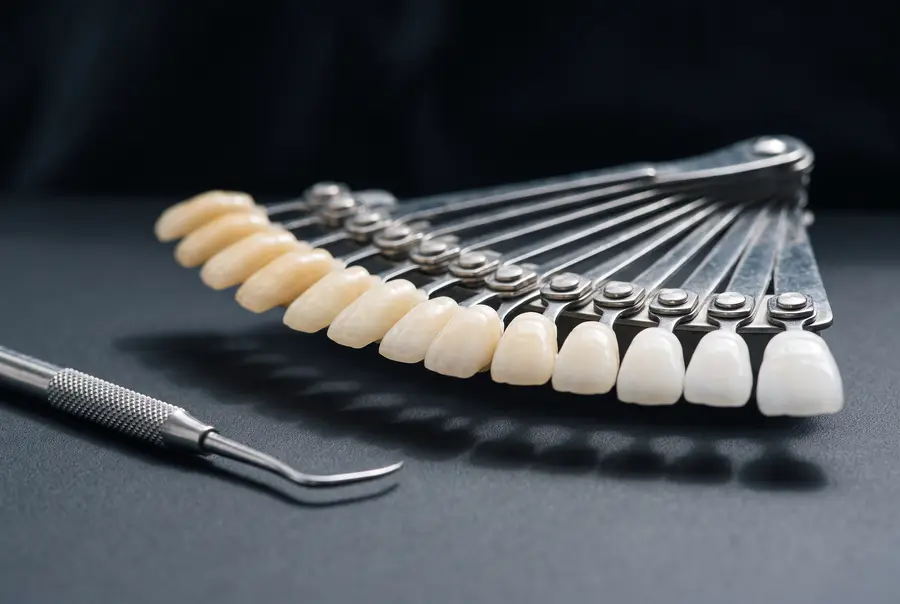
What a "Hollywood smile" actually is
It is a marketing phrase, not a procedure. Underneath it sits anything from whitening to twenty crowns, and the difference between those matters more than any photograph.
Zirconia or E-max: how a crown material is actually chosen
One is stronger, one is more translucent, and the honest answer to which is better is that it depends on which tooth. Here is the trade-off in plain terms.
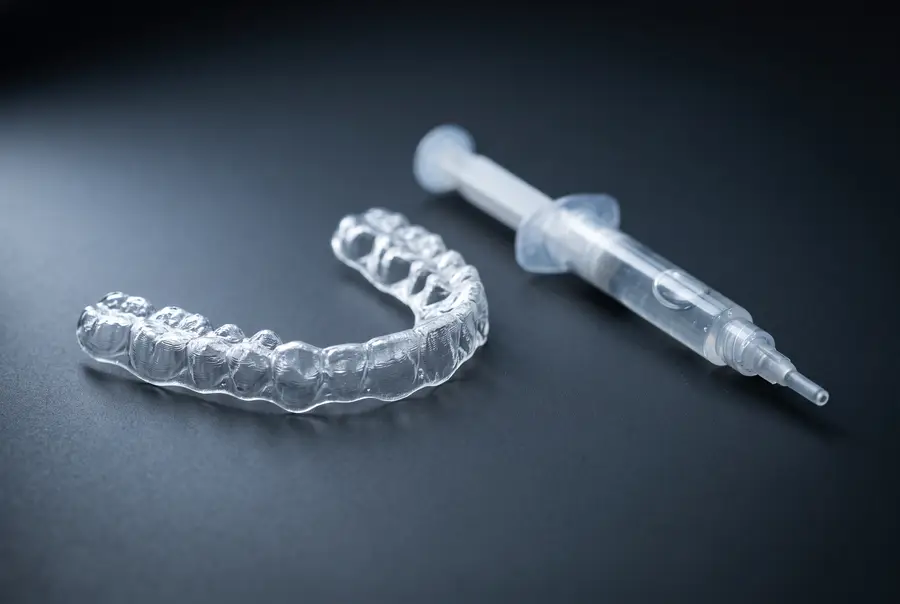
Teeth whitening: what works, and what it cannot do
Whitening changes the colour of natural tooth structure. It does nothing to a crown, a veneer or a filling — which is why the order of treatment matters more than the product.


Let's plan your treatment
Send us your details and a treatment coordinator will guide you through the next step.