
Hair transplant
DHI hair transplant
Grafts go straight from extraction into the scalp without a separate channel-opening step — useful in specific situations rather than universally better.
What this treatment involves
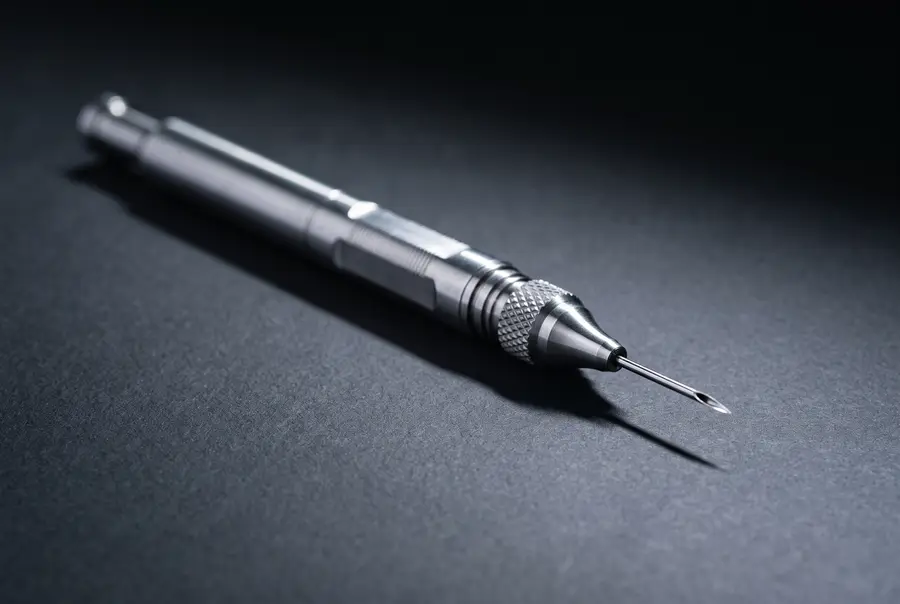
DHI uses a Choi implanter — a pen-like instrument loaded with a single follicular unit. The tip both makes the incision and delivers the graft in one movement, so there is no separate channel-opening stage.
The extraction is the same as any FUE. What changes is the implantation: grafts spend less time outside the body, and the surgeon controls depth, angle and direction directly at the moment of placement.
It is slower per graft than opening channels and implanting separately, which is why it is often used for defined areas — hairlines, temples, eyebrows — or for placing among existing hair.
Who may be suitable
Particularly useful where precision matters more than volume: refining a hairline, filling temples, or adding density between existing hairs without damaging them.
Because it is slower, very large sessions can be less practical with DHI alone, and some plans combine techniques — DHI at the hairline, conventional FUE behind it.
The same fundamentals apply as for any transplant: a stable pattern of loss, adequate donor density, and realistic expectations. Whether DHI, FUE or a combination suits you is a clinical judgement, not a package choice.
Why patients choose it
Grafts are out of the body for less time, which is thought to help survival, though the size of that effect varies between studies.
Because no pre-made channel is needed, DHI can place hairs between existing ones with less risk of damaging them — the main reason it is chosen for early thinning rather than bald areas.
Depth, angle and direction are set at the moment of placement, which gives fine control where the result is most visible: the front hairline.
How treatment works

Assessment and design
Day 1
Donor supply and pattern are examined and the hairline agreed. Whether DHI, FUE or a combination is appropriate is decided here.
Preparation and anaesthetic
Day 2, morning
The donor area is trimmed and local anaesthetic administered.
Extraction
2–3 hours
Follicular units are removed individually, as in any FUE.
Direct implantation
3–5 hours
Each graft is loaded into an implanter and placed in one motion, the tip creating the incision and delivering the follicle together.
First wash and aftercare
Day 3
Performed at the clinic, with written instructions in your language.
What happens in Istanbul
A hair transplant is a single trip of about three days. Day one is assessment and design, day two is the procedure itself — typically six to eight hours — and day three is the first wash, done at the clinic so you are shown the technique rather than only told it. Written aftercare instructions are provided in your language, and your coordinator stays reachable during the months of regrowth that follow.
Recovery
Recovery is essentially the same as FUE. Forehead swelling on days two to four, small crusts clearing over about ten days, and no swimming, sauna or heavy exercise for around two weeks.
Because no separate channels are cut, some patients report slightly less crusting in the recipient area. Shedding between weeks two and six, regrowth from months three to four, and a final result judged at twelve to eighteen months — the same as any transplant.
Typical recovery
Forehead swelling, settling on its own.
Small crusts clear. Some patients report slightly less crusting than FUE, because no separate channels are cut.
No swimming, sauna or heavy exercise.
Shedding of the transplanted hairs — expected, and the same as any transplant.
Regrowth from months three to four, with the final result judged at twelve to eighteen months.
A usual course, not a schedule you have been given. Recovery varies considerably between people, and the full recovery information above is what your own plan is based on.
Risks and considerations
The donor area is finite and does not regenerate. Every graft taken is permanently unavailable for future procedures, which is why over-harvesting to fill a large area in one session can leave nothing for the loss that is still to come.
Shock loss — temporary shedding of existing hair around the transplanted area — is common in the first months and usually recovers, but not always where hair was already miniaturised.
Infection, bleeding, prolonged swelling, numbness of the scalp and folliculitis are recognised complications. Poor angling or an unnaturally straight hairline produces a result that reads as transplanted, and correcting it is harder than doing it well the first time.
Not every graft survives; a proportion is expected not to grow. Results take twelve to eighteen months to judge, and a second procedure is commonly needed later — either for density or because native hair has continued to thin. Any clinic promising a specific graft survival rate, or offering "unlimited grafts", is describing something that does not exist.
This information is general and educational. Whether a procedure is appropriate for you can only be determined by a qualified medical professional after an individual assessment, including your medical history and an examination.
Common questions
Is DHI better than FUE?
Neither is universally better — they are different implantation methods, and the extraction is identical. DHI gives finer control where precision matters most, such as a hairline or among existing hair. Conventional FUE is more practical for covering larger areas in one session. Many plans use both.
Do I have to shave my head?
The donor area is trimmed in every technique, since follicles must be visible to extract. Whether the recipient area needs shaving depends on the plan — DHI is sometimes used to place among existing hair without shaving it, but that is a clinical decision based on your case, not a guarantee.
Further reading
The first year after a hair transplant, month by month
Almost everything transplanted falls out within six weeks. That is the part nobody prepares people for, and it is normal. Here is what actually happens, and when.
Sapphire FUE and DHI: what actually differs
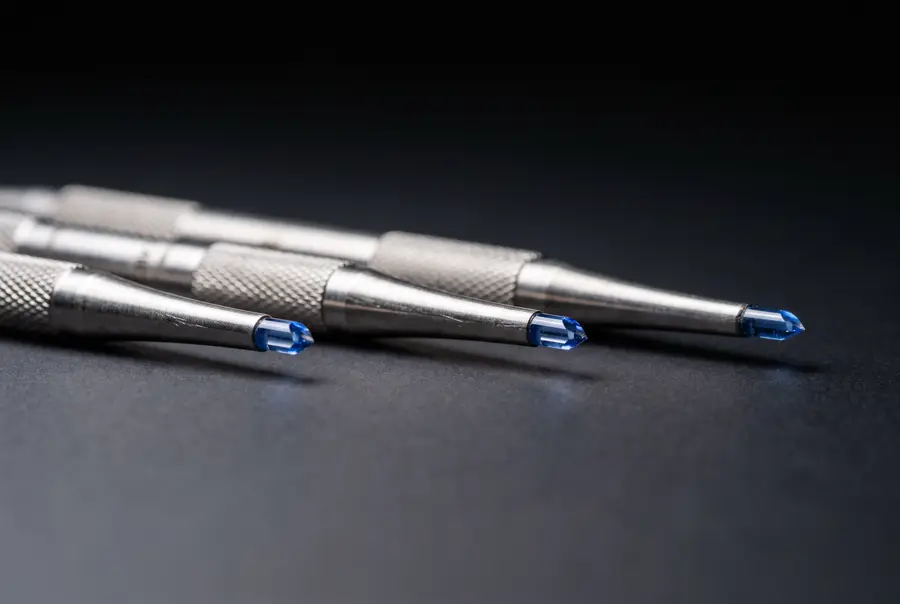
Both extract follicles one at a time. The difference is what happens next — whether channels are opened first and grafts placed into them, or the two steps are combined in one instrument.


Let's plan your treatment
Send us your details and a treatment coordinator will guide you through the next step.