
Hair transplant
Sapphire FUE
The same extraction method as standard FUE, with a difference in how the channels are cut — a refinement, not a different operation.
What this treatment involves
FUE removes follicular units one at a time from the donor area using a punch under a millimetre across, leaving small dot-shaped scars rather than a strip scar.
Sapphire FUE differs in one step: the channels that receive the grafts are opened with blades made of synthetic sapphire instead of steel. The blades are sharper and hold their edge, which allows narrower, more consistent channels.
In practice that means grafts can be placed closer together with less trauma to the surrounding tissue. It is a refinement of technique, not a different operation, and it does not change how follicles are harvested or how many are available.
Who may be suitable
Suitable for pattern hair loss where the donor area at the back and sides still has good density, and where the pattern has stabilised enough to plan around.
Transplanting into an area that is still actively thinning risks a result that looks patchy within a few years as the surrounding native hair disappears. For younger patients in particular, a clinician may recommend waiting, or medical treatment first, rather than operating early.
Diffuse thinning without a stable donor zone, active scalp disease and unrealistic expectations of density are all reasons a surgeon may decline. Whether this is right for you can only be judged after examining your scalp and assessing donor supply.
Why patients choose it
Narrower channels mean grafts sit closer together, which helps where dense packing matters most — the frontal hairline and the temples.
The sharper blade causes less tissue trauma at each incision, which can mean less crusting and a slightly quicker settling of the recipient area. No linear scar is created, so short haircuts remain possible.
How treatment works

Assessment and hairline design
Day 1
Donor density and the pattern of loss are examined, and a hairline is drawn with you. A conservative design accounts for future loss, not only current appearance.
Preparation
Day 2, morning
The donor area is trimmed and local anaesthetic is administered.
Extraction
2–3 hours
Follicular units are removed individually with a micro punch and kept in solution while channels are prepared.
Channel opening
1–2 hours
Sapphire blades open the recipient sites at the angle and direction of natural growth. This step determines whether the result reads as natural.
Implantation
2–3 hours
Grafts are placed one by one into the prepared channels.
First wash and aftercare
Day 3
The first wash is performed at the clinic so the technique is demonstrated, and written instructions are provided.
How a graft gets from the donor area to where it is needed
1. The donor area
Hair grows in small groups called follicular units, each with its own root.
2. Extraction
Units are removed one at a time with a punch under a millimetre across, leaving small dot-shaped marks rather than a line.
3. The channels
Channels are opened with sapphire-tipped blades at the angle and direction of natural growth. The grafts wait in solution.
4. Placement
Grafts are placed one by one into the prepared channels, following the angle already set.
A schematic diagram, not an anatomical drawing. It shows how the parts fit together and in what order; it is not to scale and does not represent any individual anatomy. Your own treatment is planned from your scan.
What happens in Istanbul
A hair transplant is a single trip of about three days. Day one is assessment and design, day two is the procedure itself — typically six to eight hours — and day three is the first wash, done at the clinic so you are shown the technique rather than only told it. Written aftercare instructions are provided in your language, and your coordinator stays reachable during the months of regrowth that follow.
Recovery
Swelling of the forehead is common on days two to four and settles on its own. Small crusts form over each graft and fall away over roughly ten days; they must not be picked.
Sleeping propped up for the first few nights, avoiding direct sun, and no swimming, sauna or heavy exercise for around two weeks. Most people return to desk work within three to five days, though the recipient area remains visibly pink for a while.
Transplanted hairs shed between weeks two and six. This is expected and is not failure — the follicle remains. Regrowth begins around months three to four, and the result is judged at twelve to eighteen months.
Typical recovery
Swelling of the forehead is common and settles on its own.
Small crusts form over each graft and fall away. They must not be picked.
Most people return to desk work, though the recipient area stays visibly pink for a while.
Transplanted hairs shed. This is expected and is not failure — the follicle remains.
Regrowth begins around months three to four, and the result is judged at twelve to eighteen months.
A usual course, not a schedule you have been given. Recovery varies considerably between people, and the full recovery information above is what your own plan is based on.
Risks and considerations
The donor area is finite and does not regenerate. Every graft taken is permanently unavailable for future procedures, which is why over-harvesting to fill a large area in one session can leave nothing for the loss that is still to come.
Shock loss — temporary shedding of existing hair around the transplanted area — is common in the first months and usually recovers, but not always where hair was already miniaturised.
Infection, bleeding, prolonged swelling, numbness of the scalp and folliculitis are recognised complications. Poor angling or an unnaturally straight hairline produces a result that reads as transplanted, and correcting it is harder than doing it well the first time.
Not every graft survives; a proportion is expected not to grow. Results take twelve to eighteen months to judge, and a second procedure is commonly needed later — either for density or because native hair has continued to thin. Any clinic promising a specific graft survival rate, or offering "unlimited grafts", is describing something that does not exist.
This information is general and educational. Whether a procedure is appropriate for you can only be determined by a qualified medical professional after an individual assessment, including your medical history and an examination.
Common questions
How many grafts will I need?
It depends on the area being covered and the density of your donor area, and it can only be estimated after examining your scalp. Be cautious of a number quoted from a photograph, and of any offer of "unlimited grafts" — the donor area is finite, and taking too many in one session leaves nothing for the loss still to come.
When will I see the result?
Transplanted hairs shed between weeks two and six — expected, and not failure. Regrowth starts around month three to four, and the result is judged at twelve to eighteen months. Anyone promising a finished result in three months is describing the shedding phase, not the outcome.
Will I need a second procedure?
Often, yes — and not because the first one failed. Transplanted hair is permanent, but the hair around it keeps thinning, so a result that looks even at year one can look uneven at year five. Planning for that from the start, rather than filling everything aggressively in one session, is what protects the donor area you will need later.
Further reading
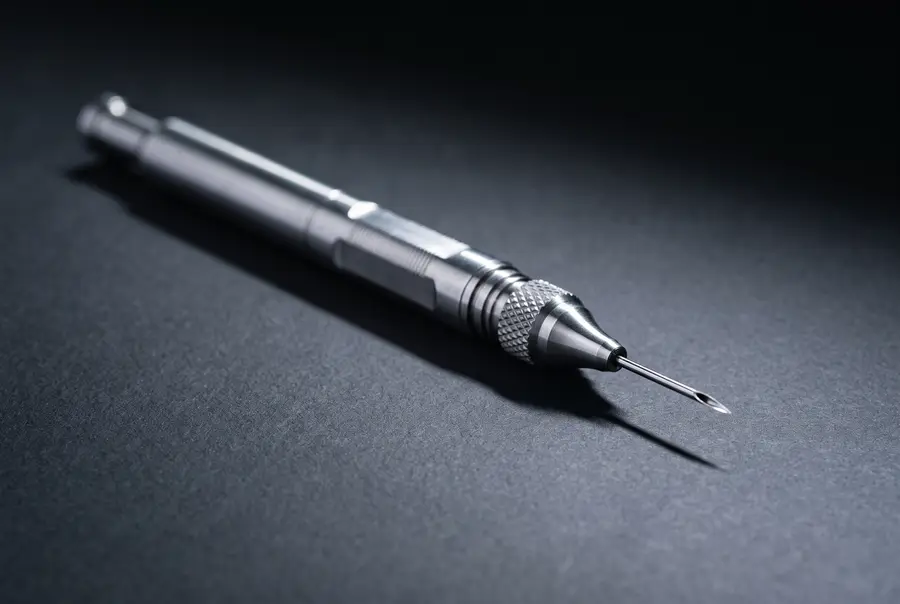
The first year after a hair transplant, month by month
Almost everything transplanted falls out within six weeks. That is the part nobody prepares people for, and it is normal. Here is what actually happens, and when.
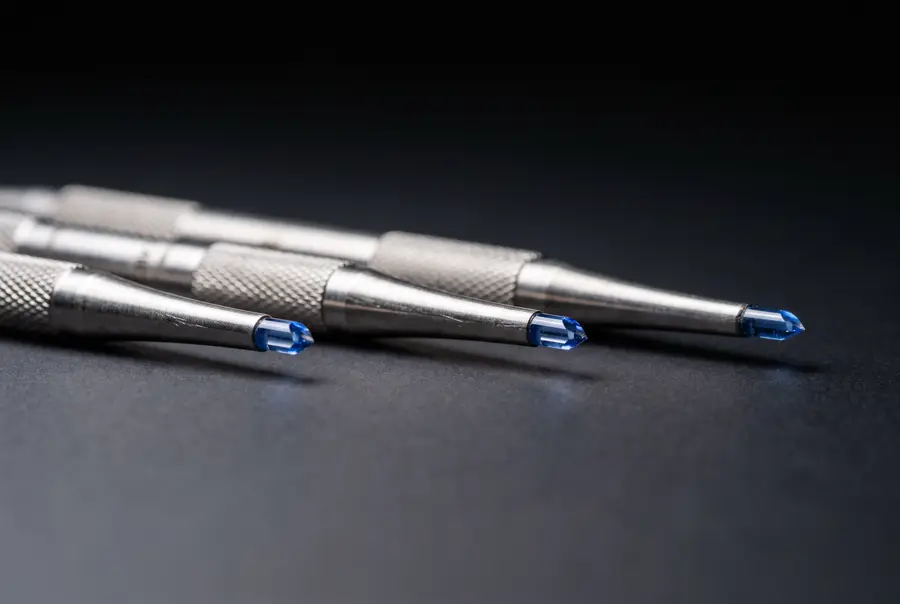
Sapphire FUE and DHI: what actually differs
Both extract follicles one at a time. The difference is what happens next — whether channels are opened first and grafts placed into them, or the two steps are combined in one instrument.


Let's plan your treatment
Send us your details and a treatment coordinator will guide you through the next step.